Epoxy Floor & Concrete Coating Contractors in Texas
498 decorative concrete, epoxy flooring and concrete coating contractors across 144 cities in Texas. Pick your city below, or browse every listing.
Cities in Texas
All Texas contractors

1 Day Garage Coatings
Cypress, TX
1 JoseFlooring
Dallas, TX
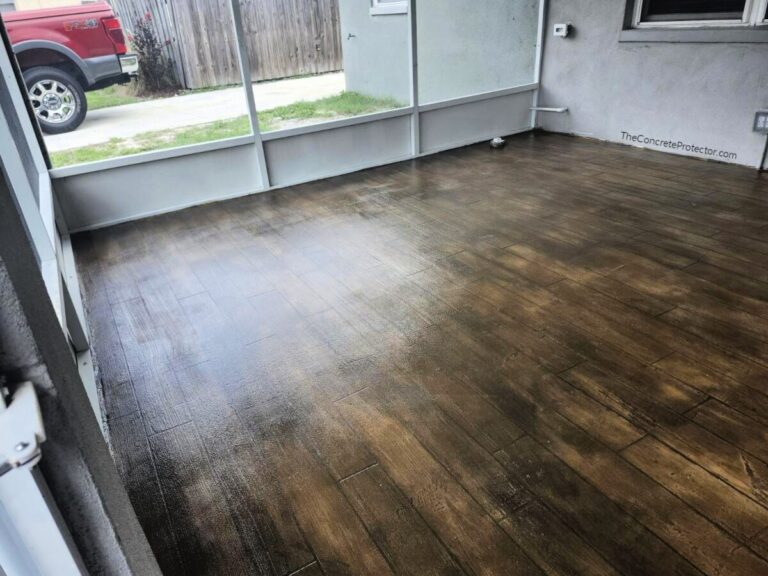
360 Painting of Frisco
Frisco, TX
3G Concrete
Cleburne, TX
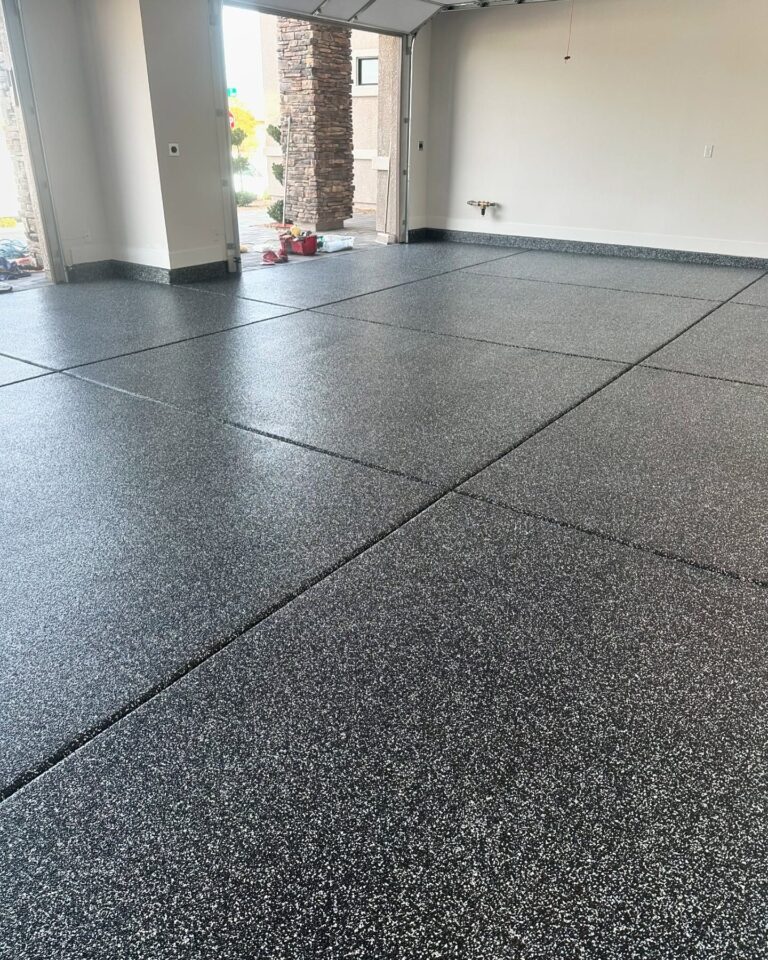
5 Star Coatings
Abilene, TX
5150 Epoxy Pros
Mesquite, TX
A&E Specialty Concrete LLC
Haslet, TX
Abilene Concrete Polishing & Epoxy Flooring
Abilene, TX
Accent Coatings, Inc.
Abilene, TX

Ace Garage Pros
Grapevine, TX
Advanced Concrete Solutions
Houston, TX
Advanced Concrete Surfaces
Carrollton, TX

Aerofloor Coating Services
Plano, TX
Affordable Concrete Works
Beaumont, TX
Aggieland Concrete
College Station, TX
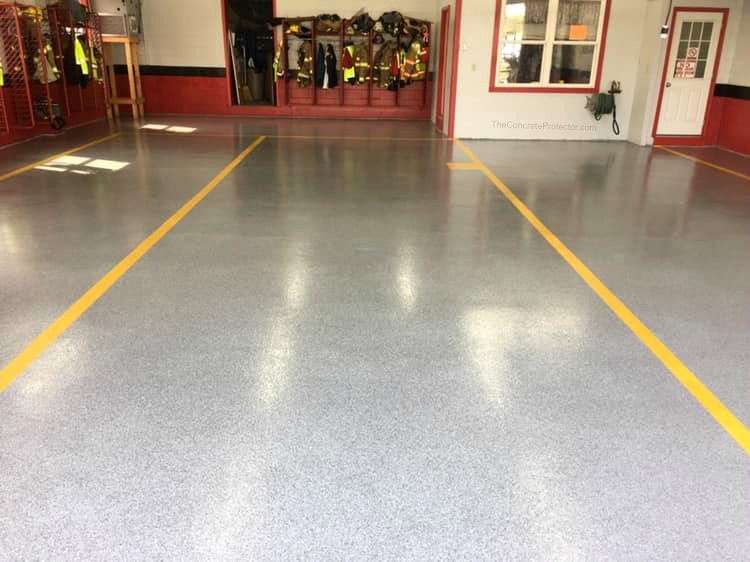
Alamo City Coatings LLC
San Antonio, TX

All American Flooring
Allen, TX
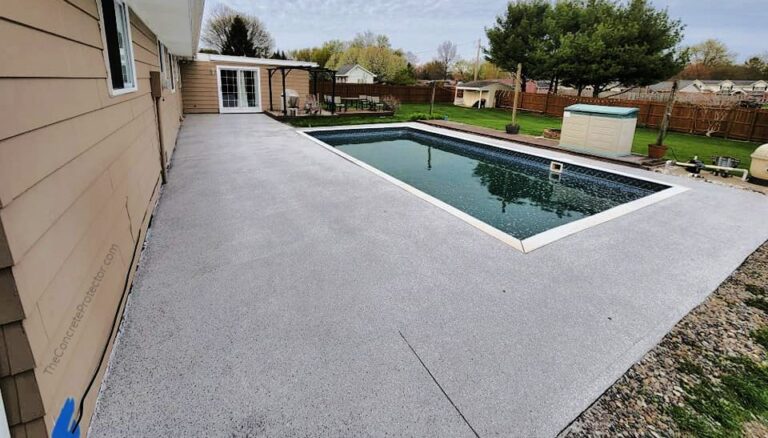
All Pro Epoxy
Conroe, TX

All Star Finishes
Schertz, TX

All Things Epoxy Dallas
McKinney, TX
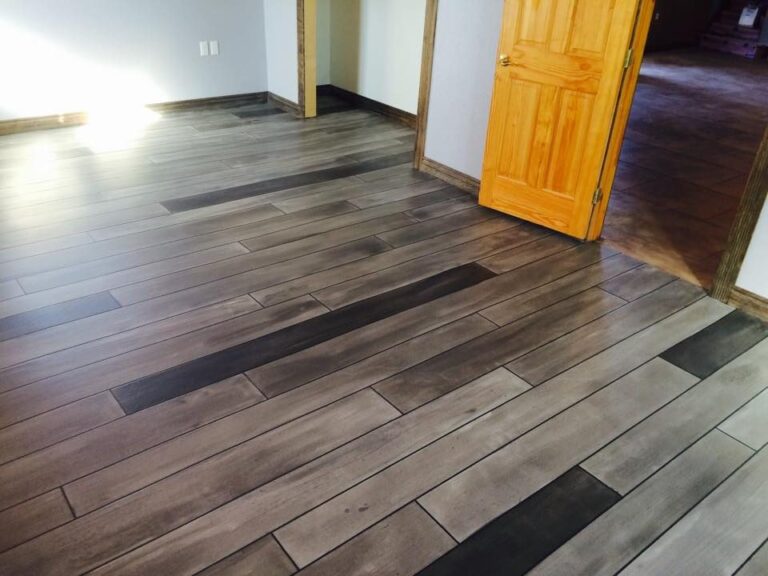
All-Pro Floors
Arlington, TX

Allied Concrete Systems, LLC
Hurst, TX

AllStar Concrete Coatings
Bee Cave, TX
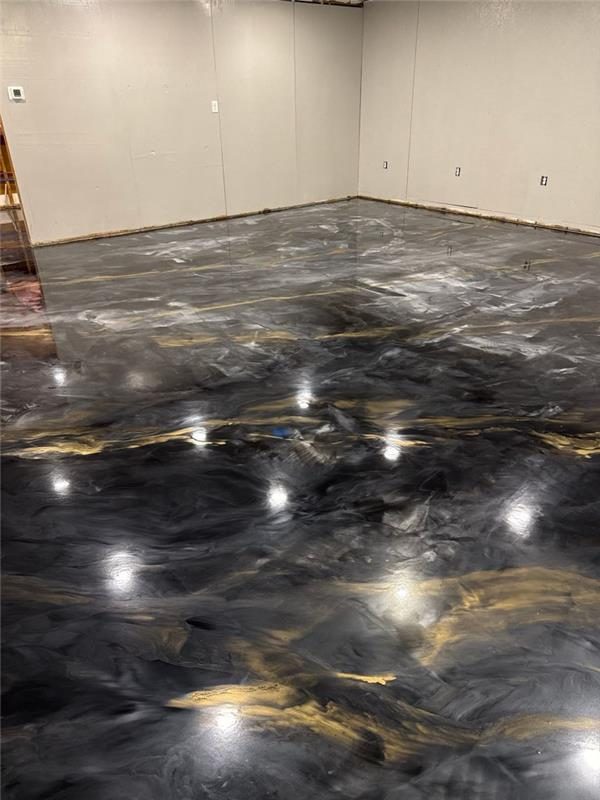
Amarillo Custom Coatings
Amarillo, TX
Concrete Coatings Across Texas
Texas is big enough to hold several climates at once. Big Bend National Park and the Chisos Mountains rise out of the Chihuahuan Desert, Guadalupe Mountains National Park guards the state’s highest summit near the New Mexico line, and Palo Duro Canyon carves a red-rock gash through the Panhandle. Far to the east, the Piney Woods and the Big Thicket stay green and damp, while Padre Island National Seashore and the Galveston beaches face the Gulf of Mexico. In between sit the Hill Country’s spring-fed rivers, the Alamo in San Antonio, and the State Capitol in Austin. Every one of those settings asks something different of a concrete floor.
From Gulf Coast humidity to Panhandle hail
Along the coast, from Beaumont through Houston and Corpus Christi down to Brownsville, the problem is moisture. Slabs sit over a high water table, summer humidity rarely lets up, and hurricanes and tropical storms can push floodwater into garages. Contractors in this region lean on moisture-tolerant epoxy primers, vapor testing before installation, and coatings that can be cleaned and returned to service after a storm. Salt air near the beaches also attacks exposed concrete and rebar, so sealed and coated surfaces hold up far better than bare ones.
Central Texas and the Dallas-Fort Worth area are known for expansive clay soils. The Blackland Prairie clays swell after rain and shrink during drought, which keeps slabs moving and opens cracks. A good installer repairs and fills those cracks before coating, and many choose flexible polyurea or polyaspartic systems that tolerate small movements better than brittle finishes. The Hill Country adds limestone and caliche, and the occasional hard freeze reminds North Texas homeowners that de-icers and freeze-thaw cycles still happen here.
West Texas is a different world: intense sun, low humidity, dust, and wide daily temperature swings around El Paso, Midland, Odessa and Lubbock. Aromatic epoxies can yellow and chalk under that UV, so polyaspartic topcoats are the common choice for anything that sees daylight. The Panhandle around Amarillo also deals with hail, wind and real winter cold.
How Texans use their concrete
Most Texas homes are built slab-on-grade, and basements are rare, so the garage slab, back patio and pool deck do a lot of work. Attached two- and three-car garages are standard in fast-growing suburbs, and many owners turn them into workshops, gyms or showrooms with full-broadcast flake floors. Pool decks and patios benefit from cool-to-the-touch, slip-resistant textured coatings that stand up to chlorine and constant sun. On ranches and rural acreage, metal shop buildings and barns get tough industrial epoxy, while the state’s oil and gas, logistics and manufacturing sectors keep demand high for chemical-resistant warehouse and plant floors. Restaurants, breweries and retail spaces in cities like Austin and San Antonio often choose metallic epoxy or polished concrete for a finished look that is easy to clean.
The largest metro areas, Houston, Dallas-Fort Worth, San Antonio and Austin, account for much of the work, but contractors also serve the Rio Grande Valley, the Permian Basin, Central Texas cities like Waco and Killeen-Temple, and East Texas towns like Tyler and Longview.
Browse the Texas contractors listed on this page, check which ones cover your city, and request quotes from a few so you can compare coating systems, prep methods and timelines before you choose.